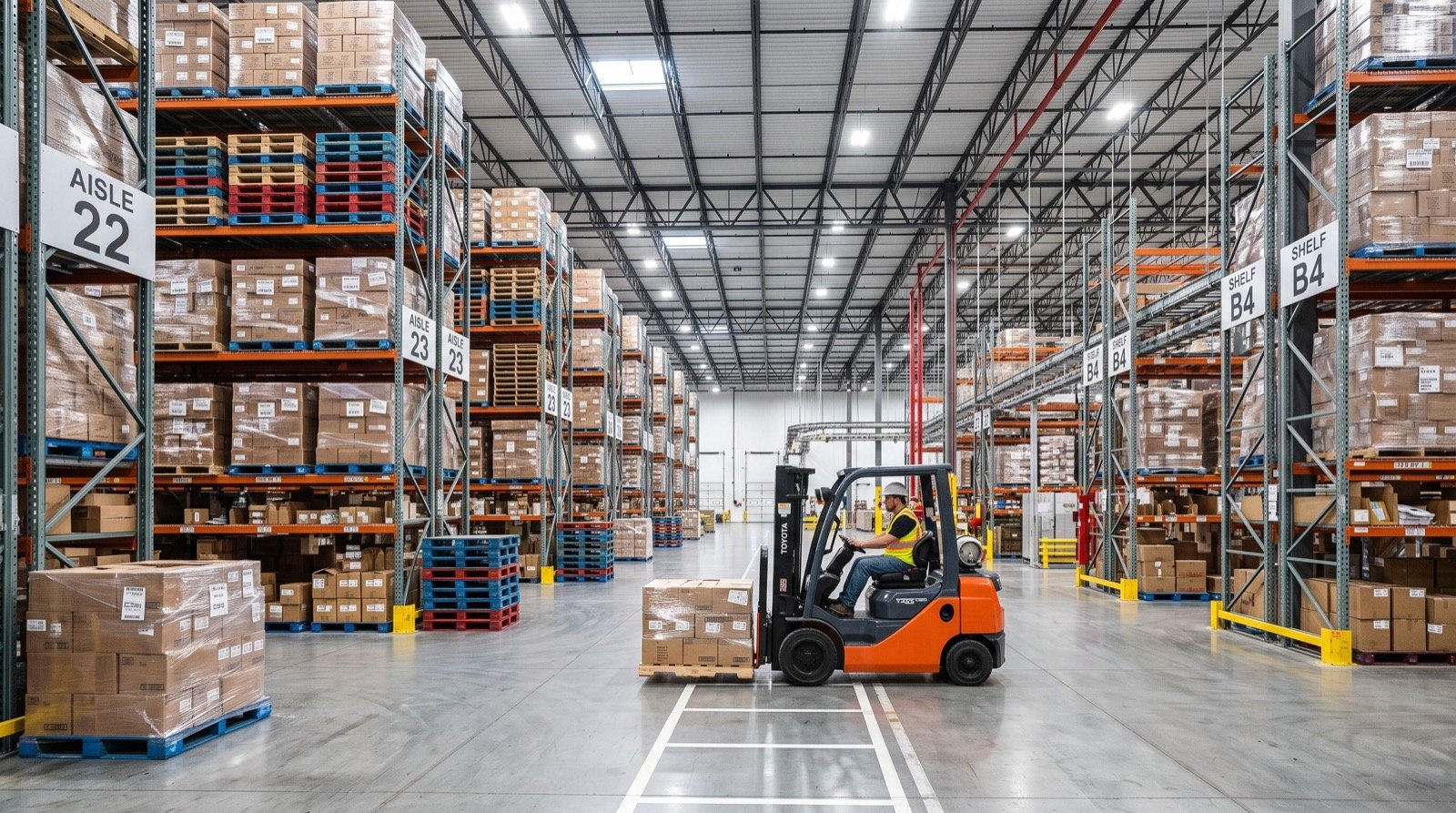
Inventory Overflow Storage: 8 Smart Strategies for 2026
Every growing operation eventually runs out of room, and inventory overflow storage is the flexible answer that keeps momentum going without a costly warehouse commitment. Whether you manage spare parts for machinery, exhibition kit between events, or a warehouse bursting at peak season, overflow space absorbs the surplus. This 2026 guide walks through practical strategies to store excess stock efficiently, protect it properly, and retrieve it fast when you need it.
Overflow storage is not about hoarding; it is about staying agile. The right approach frees your main premises for daily operations while safeguarding valuable surplus.
Why Inventory Overflow Storage Solves Real Problems
Demand rarely flows evenly. Bulk purchases, seasonal spikes, and long lead times all create surplus that has nowhere to sit. Cramming it into your working space slows picking, blocks aisles, and raises accident risk.
Off-site overflow storage clears the clutter instantly. Your team regains a functional workspace, and your excess stock stays organized in a secure, purpose-built facility until it is needed.
The U.S. Occupational Safety and Health Administration highlights that overcrowded, poorly organized storage areas are a leading cause of workplace injuries. Moving surplus off-site is as much a safety decision as a logistics one.
Signs You Need Overflow Storage
- Aisles and walkways are blocked by extra pallets.
- Staff waste time searching for buried items.
- Seasonal stock crowds out daily inventory.
- You buy in bulk but lack room to store it.
- Damaged goods increase because of tight stacking.
Specialized Overflow: Spare Parts and Event Kit
Not all surplus is the same. Two categories, spare parts and event equipment, benefit especially from dedicated overflow solutions because they combine high value with irregular usage.
Manufacturers and workshops often hold thousands of components that are used unpredictably. Organized Storage for Spare Parts uses labeled bins and racking so critical items are traceable and instantly retrievable, preventing costly production halts.
Exhibition and event businesses face a different rhythm: bulky displays sit idle between shows, then deploy fast. Purpose-built Storage for Event & Exhibition keeps stands, banners, and equipment protected and show-ready without cluttering the office.
Overflow Storage Options Compared
The best overflow model depends on volume, access frequency, and how long goods sit idle. This table compares the main approaches so you can shortlist the right one.
| Option | Best For | Access Speed | Cost Efficiency |
|---|---|---|---|
| On-demand units | Fluctuating surplus | Flexible | High for short term |
| Dedicated racking | Spare parts, small items | Fast retrieval | Strong for high SKU counts |
| Bulk pallet space | Seasonal overflow | Moderate | Best per cubic metre |
| Event storage | Displays, exhibition kit | Scheduled | Ideal between shows |
How Do You Organize Overflow Storage Effectively?
Storing surplus badly is almost as wasteful as having no space at all. A disorganized overflow unit becomes a black hole where items vanish and value quietly leaks away. Structure is everything.
Adopt a clear labeling system, keep a live inventory log, and zone the unit by usage frequency. Fast-moving items go near the door; long-idle stock sits at the back. This simple layout slashes retrieval time.
A Step-by-Step Overflow Setup
- Categorize surplus by type and how often it moves.
- Label every bin, box, and pallet clearly.
- Maintain a digital inventory synced to your main system.
- Zone the space so frequent items stay accessible.
- Review and purge dead stock quarterly.
Partnering with reputable service experts who assist with intake, racking, and retrieval turns a raw unit into a genuine extension of your warehouse. Their support keeps your overflow as organized as your core operation.
An Original Tip for Slow-Moving Stock
Tag every overflow item with its intake date. When you review the unit each quarter, anything untouched for a full year is a candidate for clearance or return. This habit stops overflow storage from silently filling with dead inventory you are paying to hold.
Frequently Asked Questions
What is inventory overflow storage?
It is off-site space used to hold surplus stock that will not fit in your main premises. Businesses use it for seasonal peaks, bulk purchases, spare parts, and event equipment, keeping working areas clear and safe.
Is overflow storage cheaper than a bigger warehouse?
Usually, yes. Renting flexible overflow space costs far less than leasing and running a larger permanent warehouse, especially when your surplus fluctuates. You pay only for the capacity you actually need.
How quickly can I retrieve items from overflow storage?
Retrieval speed depends on organization and facility access hours. Well-labeled racking with a digital inventory allows near-instant location, while many facilities offer flexible or 24/7 access for urgent needs.
Can I store spare parts and event kit in the same unit?
Yes, provided you zone the space clearly and label everything. Many businesses combine spare-parts racking and bulky event storage in one flexible unit to maximize value and simplify logistics.
How Overflow Storage Saves Money Over Time
At first glance, renting extra space looks like a new expense. Look closer, though, and overflow storage often reduces total operating costs. The savings come from several directions at once.
First, you avoid the enormous fixed cost of leasing a larger permanent warehouse. Overflow space flexes with demand, so you never pay year-round for capacity you only need at peak. That flexibility alone can transform your logistics budget.
Second, an organized off-site unit cuts the hidden costs of clutter, damaged goods, wasted labor, and safety incidents. When your main premises run smoothly, productivity rises and accidents fall. These savings rarely appear on a single invoice, yet they add up substantially over a year.
A Quick Cost Comparison
Imagine two identical businesses at seasonal peak. One crams surplus into its working warehouse, slowing every order and risking injury. The other shifts overflow off-site and keeps its floor clear. The second business fulfills orders faster and loses far less stock to damage.
Over a busy quarter, that efficiency gap translates into real profit. Flexible overflow storage effectively pays for itself through smoother operations and reduced losses.
Seasonal Overflow: Planning for Peak Demand in 2026
Seasonal spikes are predictable, yet many businesses still scramble when they arrive. A little forward planning turns a stressful crunch into a smooth, well-managed surge. The key is to reserve overflow capacity before you need it.
Review last year’s demand data to forecast this year’s peak, then secure flexible storage in advance. Pre-labeled zones and a synced inventory system let you scale up the moment orders climb. When the rush passes, you release the extra space and stop paying for it.
This proactive rhythm keeps your core operation calm and responsive all year. Instead of reacting to chaos, you glide through peak season with surplus safely stored and instantly retrievable.
Conclusion: Turn Surplus Into an Advantage
Smart inventory overflow storage transforms surplus from a burden into a managed, retrievable asset. By choosing the right option, organizing rigorously, and reviewing stock regularly, you keep your main premises efficient and your extra inventory protected and ready.
Struggling with clutter and surplus in 2026? Assess your overflow needs, pick a flexible storage plan, and request a tailored quote today. A well-run overflow strategy keeps your operation lean, safe, and ready to scale.