Apartment Dog Waste Management: Clean, Odor-Free City Living
City dogs are wonderful companions, but apartment living adds unique wrinkles to waste management. There is no private backyard, shared hallways carry odor fast, and disposal options are limited to communal bins and street cans. Being a considerate urban dog owner means having a tight, discreet system that keeps your home and your building fresh. This guide shows you how.
We will cover odor control in small spaces, the gear that makes city cleanup effortless, courtesy toward neighbors, and how to handle those unavoidable indoor accidents. Small-space living and dog ownership can absolutely coexist.
The Unique Challenges of City Cleanup
Space is the first constraint. Without a yard, you rely entirely on walks and shared areas, which means every deposit must be bagged and carried until you find a bin. Odor is the second challenge; in a compact apartment, a single poorly sealed bag can announce itself through the whole unit within minutes.
Sealing power is everything here. Reaching for heavy duty garbage bags with thick film and a tight tie contains odor far better than flimsy alternatives, which matters enormously when the bin might be six floors down or a block away.
City-Specific Pain Points
- No yard: Every cleanup happens on walks or shared ground.
- Fast odor spread: Small spaces amplify smell quickly.
- Distant bins: You carry waste until you reach disposal.
- Shared etiquette: Neighbors notice missed cleanups instantly.
Building a Compact Urban Kit
Apartment dwellers thrive on efficient, portable gear. A leash-mounted dispenser keeps bags always within reach. A small sealable pouch lets you carry a tied bag discreetly to a distant bin without odor. For balcony or shared-yard use, a compact scooper keeps things tidy.
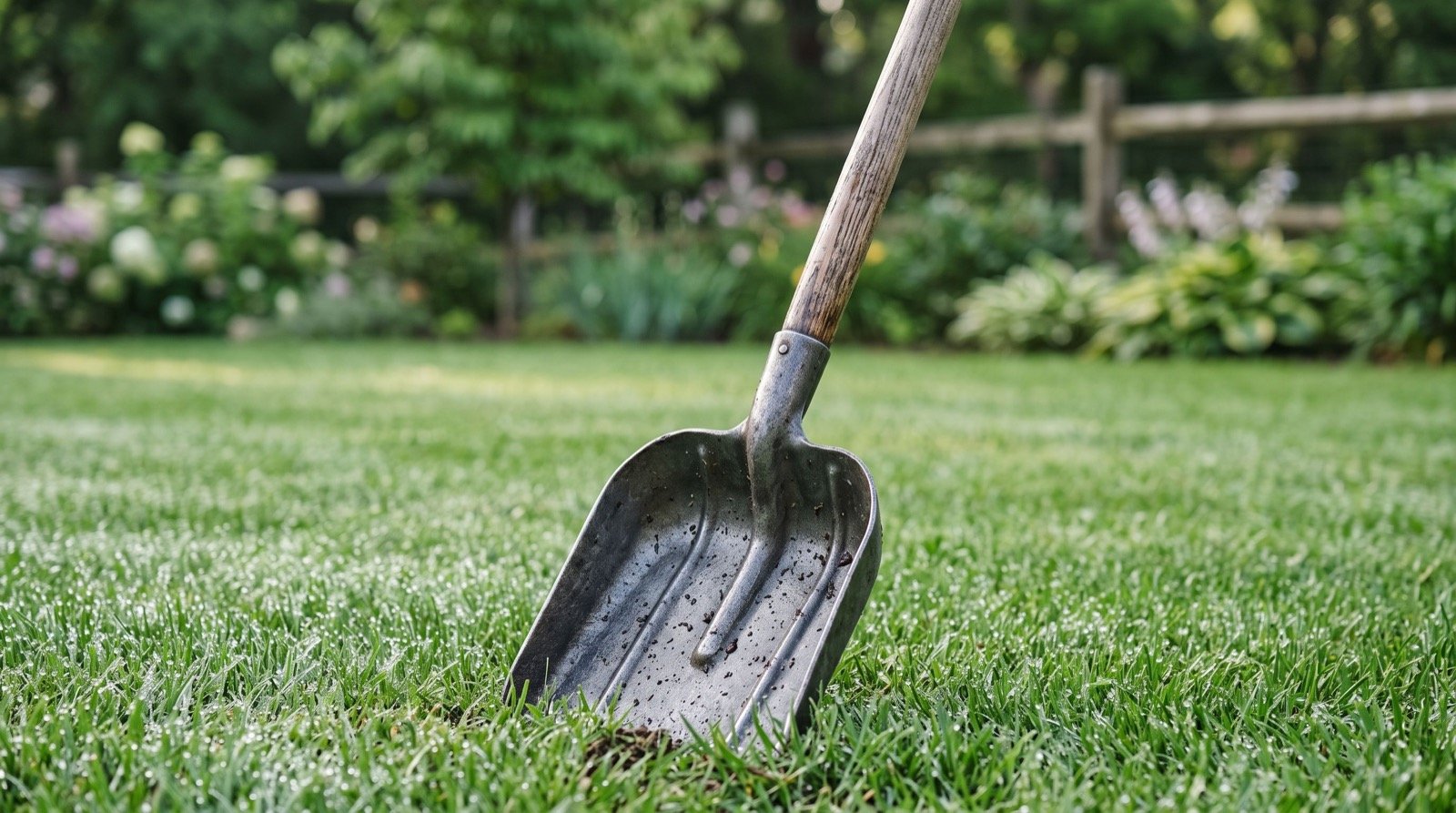
If your building has a small designated pet-relief area, searching for a Pooper Scooper nearby is worth it so you can clean shared ground without bending or mess, keeping the space pleasant for every resident and their pets.
| City Need | Compact Solution |
|---|---|
| Bags always ready | Leash-mounted dispenser |
| Odor while carrying | Sealable pouch for tied bags |
| Shared relief area | Compact long-handled scooper |
| Indoor accidents | Enzyme cleaner and spare bags |
Being a Considerate Neighbor
Urban dog ownership is a shared social contract. One irresponsible owner sours a building’s attitude toward all pets, sometimes triggering stricter rules for everyone. Following a few courtesy habits keeps the peace.
- Bag every deposit immediately, even in a rush.
- Never leave tied bags in hallways or shared trash rooms uncovered.
- Carry extra bags for others who forget or run out.
- Clean any indoor accident right away to stop odor spreading.
- Respect designated relief areas and keep them tidy.
The American Kennel Club stresses that responsible cleanup is central to being a good urban dog owner, and it directly affects whether buildings and cities stay dog-friendly.
Handling Indoor Accidents and Odor
Even well-trained city dogs have off days. Long work hours and elevator delays sometimes end in an accident. Keep an enzyme-based cleaner on hand to break down odor at the source rather than masking it, and bag soiled materials in a sealed heavy bag before it reaches your trash.
A concrete tip for 2026: keep a small lidded, charcoal-filtered pail near your door specifically for sealed dog-waste bags awaiting the trip to the dumpster. It contains odor completely between disposal runs, a game-changer for high-floor apartments where you cannot dash to the bin every time.
If your building needs a broader cleaning plan for shared pet areas, trusted professionals can set up maintenance schedules that keep common spaces fresh for all residents.
Small-Space Storage Solutions
In an apartment, every cleanup supply competes for limited storage. The trick is choosing gear that is compact, multi-purpose, and easy to keep near your exit without cluttering a tiny entryway. A little organization goes a long way toward keeping the routine effortless.
A slim wall-mounted hook by the door holds a leash, a bag dispenser, and a compact scooper in the vertical space most apartments waste. A single small drawer or basket can corral spare rolls, wipes, sanitizer, and an enzyme cleaner so everything lives in one grab-and-go spot. When supplies are visible and reachable, you never leave home unprepared.
Odor Management in Tight Quarters
Storage and odor control overlap in a small home. The lidded, charcoal-filtered pail mentioned earlier does double duty as both a storage container for sealed bags and an odor barrier, which is exactly what a compact space needs. Empty it on a regular schedule rather than waiting until it is full, since even the best filter has limits.
Ventilation helps too. Cracking a window during and after cleanup, and running a small air purifier near your dog’s area, keeps the whole unit smelling fresh. Combined with tightly sealed bags, these habits mean guests will never guess a dog lives there.
Finally, keep a small emergency kit by the door for elevator delays and surprise accidents: two or three bags, a pack of wipes, and a travel sanitizer. In a building where the nearest bin might be several floors away, that little kit is the difference between a clean save and a stressful scramble.
Consider your building’s specific layout when planning your system. If the trash room is far or only accessible at certain hours, your sealed odor pail becomes even more important as a holding station. Get to know the waste collection schedule so you can time your dumpster runs, and never leave bags in a shared hallway even briefly, since that is the fastest way to draw complaints and sour management on dog owners.
Frequently Asked Questions
How do I stop dog waste from smelling up my small apartment?
Use thick, well-sealed bags and store them in a lidded, charcoal-filtered pail until you can reach the dumpster. Sealing at the source is the key to odor control in small spaces.
Is it okay to flush dog waste from my apartment toilet?
Most cities discourage it because it can strain plumbing and spread parasites. Bagging and using the building’s trash or designated pet-waste bins is the safer choice.
What should I do about a shared building relief area?
Clean up after your dog every time, ideally with a compact scooper, and report overflowing bins to management. Keeping shared areas tidy protects access for all pet owners.
How many bags should a city dog owner carry?
Always carry at least two or three per walk. Extras cover surprise second deposits and let you help neighbors who run short, which builds goodwill in your building.
Conclusion
Apartment dog ownership works beautifully with the right system. Thick sealing bags, a compact portable kit, a lidded odor pail, and simple neighborly courtesy keep your home fresh and your building dog-friendly.
Small spaces reward good habits, so build yours around gear that contains odor and makes cleanup effortless. Ready to master city cleanup? Stock up on heavy-duty bags and a compact scooper and enjoy clean, considerate urban living with your dog.